Pads That Hold Moisture After Leaks
Carpet Water Extraction in Lafayette for homes where standing water has soaked through to the subfloor
Water from a leak in a family home often soaks the pad and reaches the subfloor, and the pad is where the lasting damage starts. Standing water is extracted from the carpet, the pad is removed, and the subfloor is checked for moisture. May's Carpet Cleaning performs carpet water extraction after leaks and floods in Lafayette and nearby communities, and the pad is pulled out rather than left in place to dry because a saturated pad is what holds moisture and odor long after the surface appears dry.
The carpet is extracted first to remove as much standing water as possible, then the pad is pulled up to expose the subfloor beneath. This step reveals whether the subfloor is wet, which matters because wood subfloors can warp or develop mold if they remain damp for more than a day or two. You should ask whether they will remove the pad on your job and what happens to the carpet afterward, particularly if the water came from a contaminated source like a sewer backup or outdoor flooding.
Contact the service immediately after a leak to schedule water extraction and pad removal before odor or mold develops.
Why Leaving the Pad in Place Causes Problems
The pad is dense foam or fiber that absorbs water quickly and releases it slowly, and even after the carpet surface feels dry, the pad can remain saturated for days. That trapped moisture creates an environment where mold and bacteria grow, and the odor that results is difficult to remove even with cleaning. Removing the pad also allows air to reach the subfloor, which speeds drying and reduces the risk of warping or rot in wood framing.
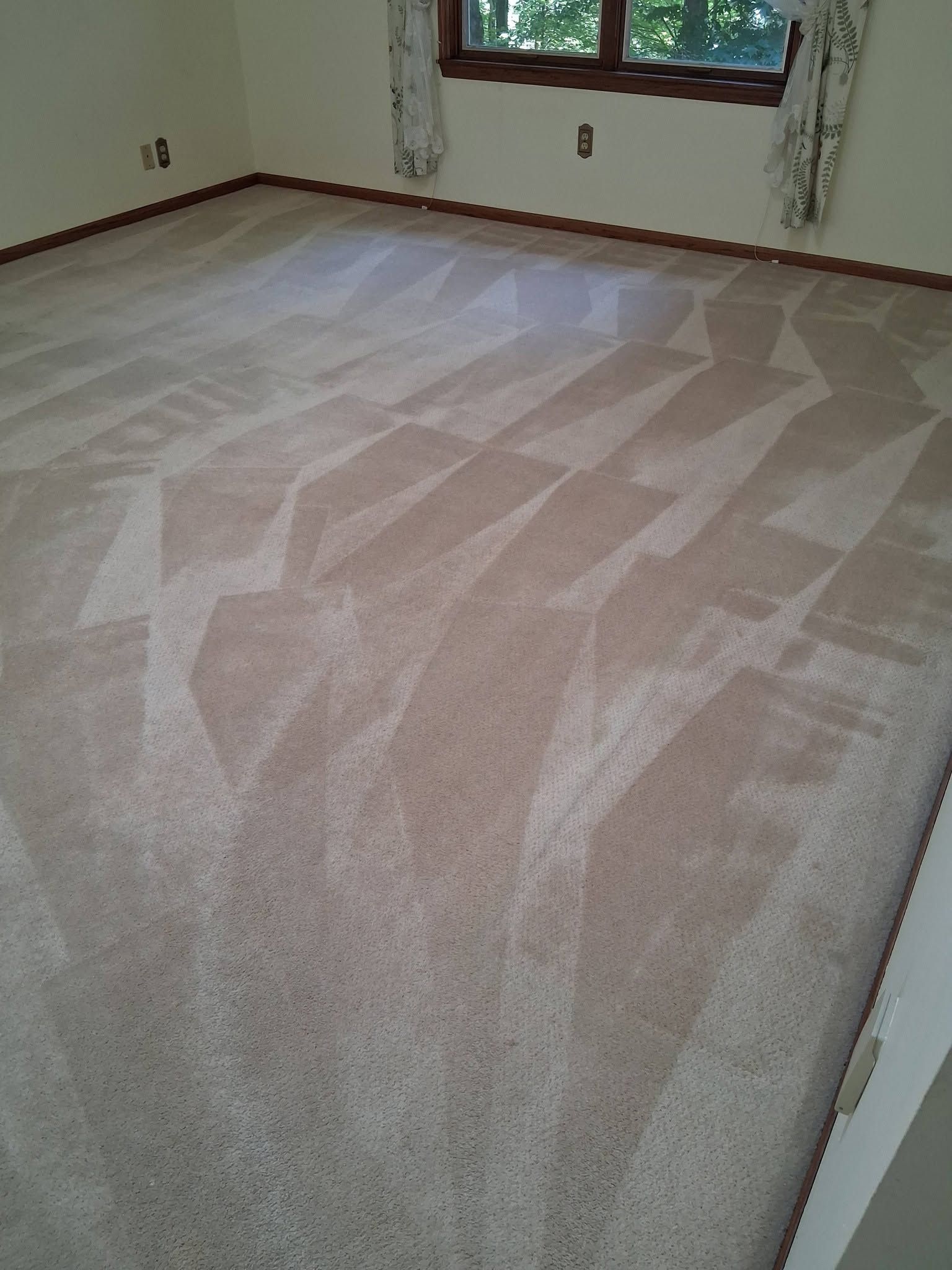
After the extraction and pad removal are complete, the carpet is reinstalled once the subfloor has dried and a new pad is in place. The room no longer smells musty, and the carpet feels firm underfoot rather than spongy. If the water was clean and the extraction was done promptly, the carpet itself usually survives without permanent staining or texture damage.
Pads are pulled out after a leak or flood rather than left to dry in place, and the decision to reinstall the carpet or replace it depends on the water source and how long the carpet remained wet. May's Carpet Cleaning has served the Lafayette area since 1995, and every water extraction job includes pad removal and subfloor inspection as part of the process.
What to Ask After a Carpet Leak
Homeowners in Lafayette and West Lafayette often face urgent questions after a leak, particularly when the water has spread across multiple rooms. The answers below clarify what happens during extraction and what to expect afterward.
What happens to the carpet pad after it gets soaked?
The pad is removed and discarded because it holds moisture and odor even after the surface dries, and a new pad is installed once the subfloor is dry.
How long does the subfloor take to dry after the pad is removed?
Drying time depends on the material and how much water soaked in, but most wood subfloors dry within 24 to 48 hours with adequate air movement and dehumidification.
Can the carpet be saved after a leak or does it need replacement?
If the water was clean and the extraction was done within 24 hours, the carpet usually survives, but contaminated water or prolonged saturation often requires replacement.
What should you do immediately after discovering standing water on carpet?
Stop the water source if possible, remove any furniture from the wet area, and contact a water extraction service before the moisture spreads further into the pad and subfloor.
Why does carpet smell musty even after it appears dry?
The odor comes from the pad and subfloor where moisture remains trapped, and surface drying does not eliminate the problem unless the pad is removed and the subfloor is dried.
May's Carpet Cleaning also performs
carpet water extraction in Crawfordsville, West Lafayette, Frankfort, Delphi, and Lebanon. Call (765) 376-5901 as soon as a leak is discovered to minimize damage and prevent odor from developing.