Fabric That Absorbs Daily Family Wear
Upholstery Cleaning in Lafayette for sofas and chairs that carry years of use from kids and pets
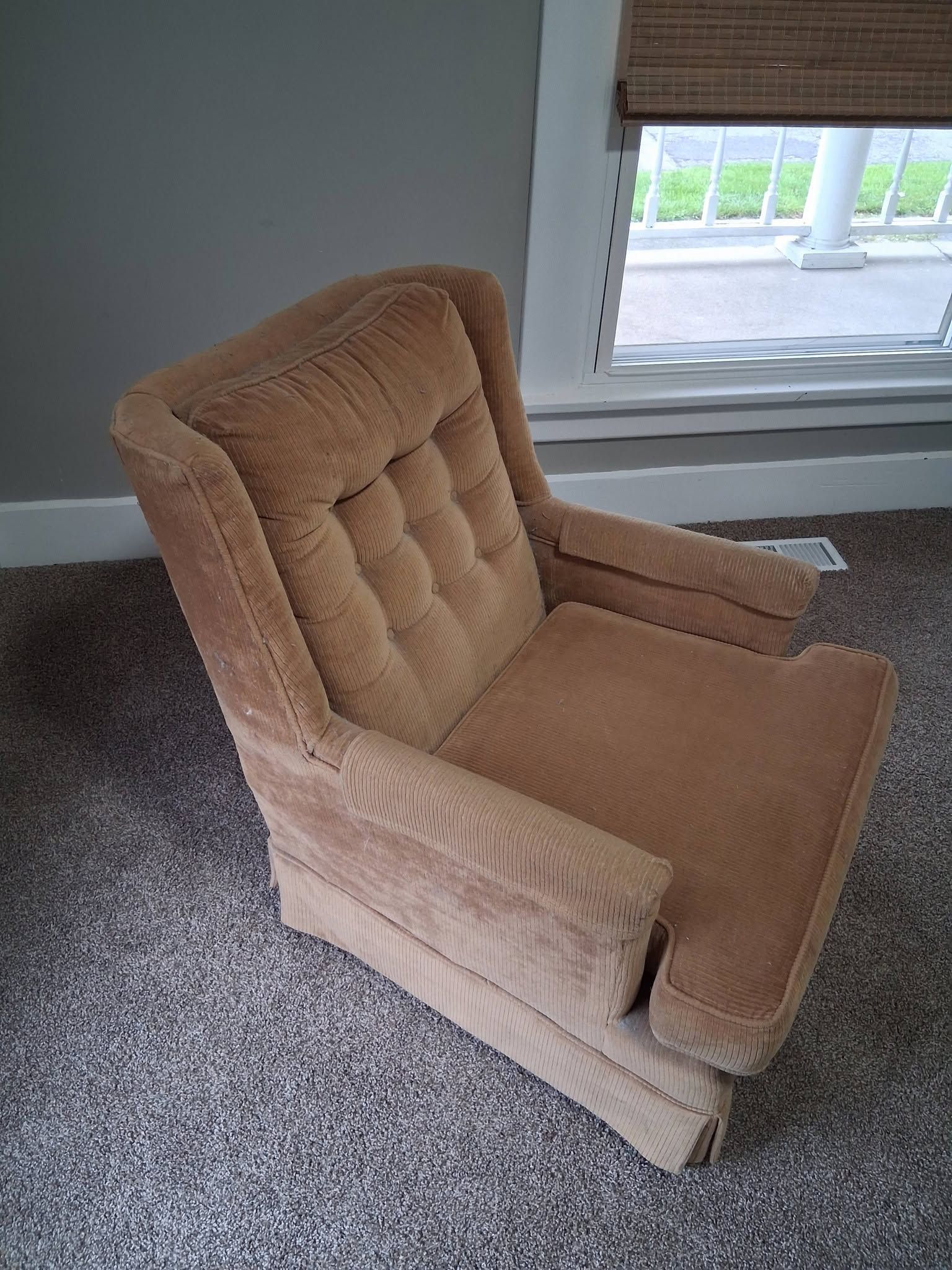
Each piece is fiber burn tested to identify the fabric before any cleaning, including when the tag is missing or reads W or S, so the method matches the material. May's Carpet Cleaning cleans upholstery in Lafayette and nearby towns including Delphi and Lebanon, and the fiber test prevents shrinking or staining that happens when the wrong cleaning method is used on an unknown fabric. Family sofas and living room chairs take daily wear from kids and pets, and you see the accumulation in armrests, seat cushions, and any area where hands or heads rest regularly.
The fabric is identified by fiber burn test before any water touches it, then the cleaning method is chosen for that specific fiber type. This step matters because some fabrics shrink when exposed to water-based cleaning, while others discolor or stiffen when treated with solvent methods. You should ask whether the piece must remain on the premises during cleaning and how long it takes to dry once the work is finished.
Arrange an on-site evaluation to identify the fabric type and receive a cleaning recommendation based on the material.
How Fiber Testing Prevents Damage
The fiber burn test involves removing a small thread from an inconspicuous area and observing how it burns, how it smells, and what residue it leaves. Natural fibers like cotton and wool burn differently than synthetics like polyester and nylon, and blends show characteristics of both. This information determines whether water-based extraction, solvent cleaning, or dry foam is used, particularly important for pieces in Lafayette and Lebanon homes where the upholstery may be decades old and the original tag has worn off.
After the cleaning is complete, the fabric looks more uniform in color and feels softer to the touch. Oils from skin contact and dust that has worked into the weave are removed, and the piece no longer smells stale when you sit on it. Cushions regain some of their original texture, though heavily compressed filling will not fully rebound from cleaning alone.
Fabrics are fiber burn tested before cleaning, including those with a missing tag or a W or S code, because those codes describe only whether water or solvent is recommended, not what the fiber actually is. May's Carpet Cleaning uses this testing process on every upholstery job to ensure the cleaning method is appropriate for the material.
Common Questions Before Upholstery Cleaning
Homeowners often ask about the cleaning process and what to expect, particularly when the fabric type is unknown or the piece is older. The answers below clarify what happens during the work.
What is a fiber burn test and why is it necessary?
A small thread is removed from an inconspicuous area and burned to identify whether the fabric is natural, synthetic, or a blend, which determines the safest cleaning method.
Can upholstery be cleaned if the care tag is missing?
Yes, the fiber burn test identifies the material even when the tag is gone, and the cleaning method is chosen based on that result rather than guessing.
How long does upholstery take to dry after cleaning?
Drying time depends on the fabric and the cleaning method used, but most pieces dry within four to eight hours with adequate air circulation in the room.
Does the furniture need to be brought to a shop or cleaned on site?
Most upholstery is cleaned on site where it sits, and you should confirm whether the piece must remain in place or can be moved to a different room during the work.
What changes after upholstery cleaning that you can see or feel?
The fabric looks lighter and more uniform in color, feels softer to the touch, and no longer smells stale or musty when you sit on it.
May's Carpet Cleaning also cleans
upholstery in Frankfort, West Lafayette, Crawfordsville, Delphi, and Lebanon. Call (765) 376-5901 to schedule a fiber test and receive a cleaning recommendation for your specific furniture.